Daily Maintenance Tips for Water Play Systems
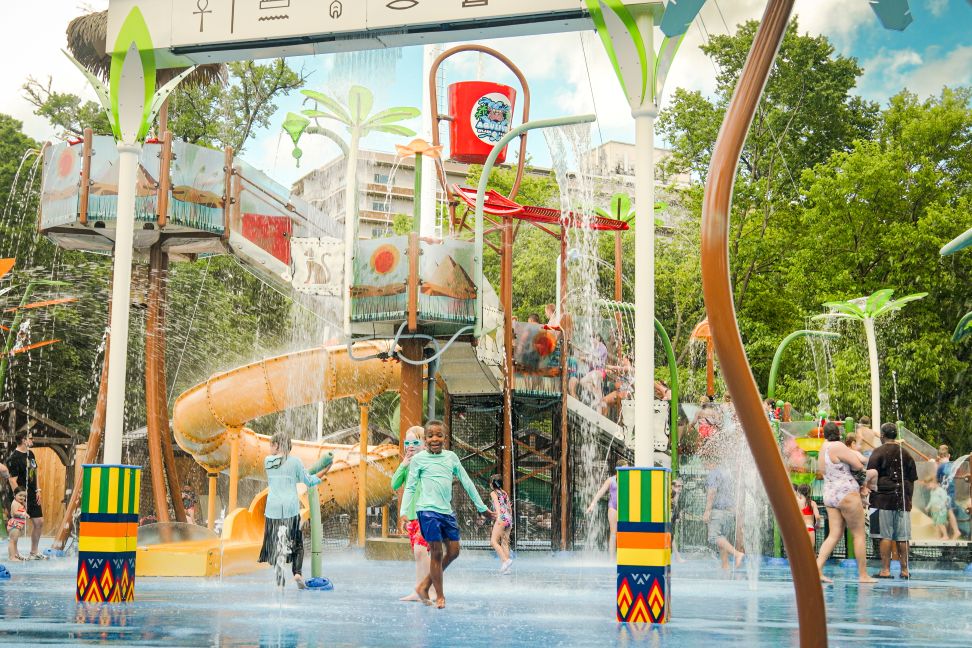
Proper daily maintenance of your water play system isn’t just about ensuring smooth operation, it’s about preserving safety, extending product life, and maintaining water quality. Whether managing a Splashpad®, aquatic playground, or a more complex water play solution, a reliable maintenance routine will keep your space clean, compliant, and welcoming for all guests.
Here’s your complete guide to daily care best practices.
Why Daily Maintenance Matters
Water play areas experience constant exposure to moisture, sun, temperature fluctuations, and organic debris. Left unmanaged, these factors can quickly lead to system wear, safety issues, or bacterial contamination. A well-maintained system:
- Reduces the risk of slip-and-fall accidents
- Keeps water features functioning as intended
- Ensures compliance with local health regulations
- Enhances user satisfaction and public perception
- Avoids costly emergency repairs
Neglecting even minor issues can result in long-term consequences, especially for high-traffic municipal or resort-based installations.
1. Surface Cleaning and Inspection
Each morning, begin with a full inspection of the play surface:
- Remove debris: Sweep or hose down leaves, dirt, and litter.
- Check traction: Feel the texture of non-slip surfaces. Over time, biofilm buildup can reduce effectiveness and create hazards. Use non-abrasive cleaners approved for your surface type.
- Inspect for damage: Look for cracks, peeling coatings, or displaced joints. Document anything irregular and flag for repair.
2. Nozzle and Feature Checks
Water play equipment, especially interactive elements like Explora™, Water Journey™, and Elevations™, relies on precision. A clogged nozzle or jammed feature can disrupt not only flow but also user experience.
Daily, verify:
- Nozzles are unobstructed
- Spray patterns match expected coverage
- Mechanical or motorized features operate smoothly
- There is no unusual sound, friction, or delay in activation
Clear any debris using soft brushes or a mild descaling solution. Avoid sharp tools that may damage equipment coatings.
3. Filter and Drainage Review
Proper drainage is critical to prevent puddling, bacteria buildup, or surface damage. Each day:
- Visually inspect drains for clogs, standing water, or unusual odors
- Ensure grates are secure and free from obstruction
- Check filter pressure gauges for abnormal readings (too high may indicate clogging)
Depending on system design, a backwash may be required daily or weekly. Refer to your site’s Water Management Solutions specifications or your MaestroPro(™) controller settings for recommendations.
4. Chemical Testing and Water Quality
Even though Splashpads typically do not have standing water, they recirculate water, and this means chemical balance is critical.
Daily testing should include:
- Free chlorine levels: Maintain within the range prescribed by local guidelines (e.g., 1–3 ppm).
- pH levels: Ideally between 7.2 and 7.8 to prevent skin irritation or equipment corrosion.
- ORP (Oxidation-Reduction Potential): Often used for automated dosing, monitoring and calibrating sensors regularly.
Record results in a daily logbook or digital platform. If you detect recurring imbalances, investigate sources such as sunscreen residues, heavy rainfall, or user volume.
5. Controller and Automation Review
Modern aquatic play environments often rely on smart controllers like MaestroPro(™) to automate water sequencing, conserve energy, and manage scheduling. Don’t forget to verify:
- The controller is online and responsive
- All timers and cycles are correctly programmed for the season or day
- Alerts and diagnostics show no anomalies
Review reports for flow irregularities, reduced pressure, or inconsistent cycle completion. If using Smartflow™ water optimization, ensure its parameters still align with intended efficiency goals.
6. Safety and Accessibility Scan
Public trust in your Splashpad® hinges on safety and accessibility.
Daily tasks should include:
- Ensuring ADA-compliant features (ramps, tactile indicators) are clear and functional
- Confirming signage is clean, visible, and in good condition (rules, emergency procedures, supervision guidelines)
- Testing emergency shut-off buttons for responsiveness
- Checking gates, fences, or perimeter barriers for breaches
If your water play system includes inclusive design features, like sensory-friendly zones or adaptive components, verify these are not obstructed or malfunctioning.
Train Your Team to Stay Consistent
Even the most advanced water play system depends on human oversight. That’s why training your maintenance staff is key. Consider creating:
- A laminated daily checklist
- Short training videos using your own Splashpad® as reference
- A maintenance binder for quick-reference manuals and emergency contacts
- Scheduled walkthroughs with your Vortex representative for seasonal tune-ups
Internal teams who understand the “why” behind each task are more likely to stay consistent, and this results in better performance and fewer surprises.
Plan Ahead for Preventative Maintenance
Daily inspections prevent immediate issues, but combining this with scheduled preventative maintenance ensures long-term success. Vortex offers support for deeper cleaning, seasonal reprogramming, part replacement, and water treatment audits.
Conclusion
A water play system is one of the most engaging, joyful assets a community can have. But its performance and safety depend on rigorous, consistent care. By incorporating these daily maintenance habits into your staff’s routine, you’ll protect your investment, enhance guest satisfaction, and ensure a safe, vibrant play experience day after day.
Whether you’re managing a municipal park, hotel, or splash park at a resort, Vortex’s proven solutions and decades of expertise can support your operations at every step.