Childhood Development and the Spectrum of Play Experiences
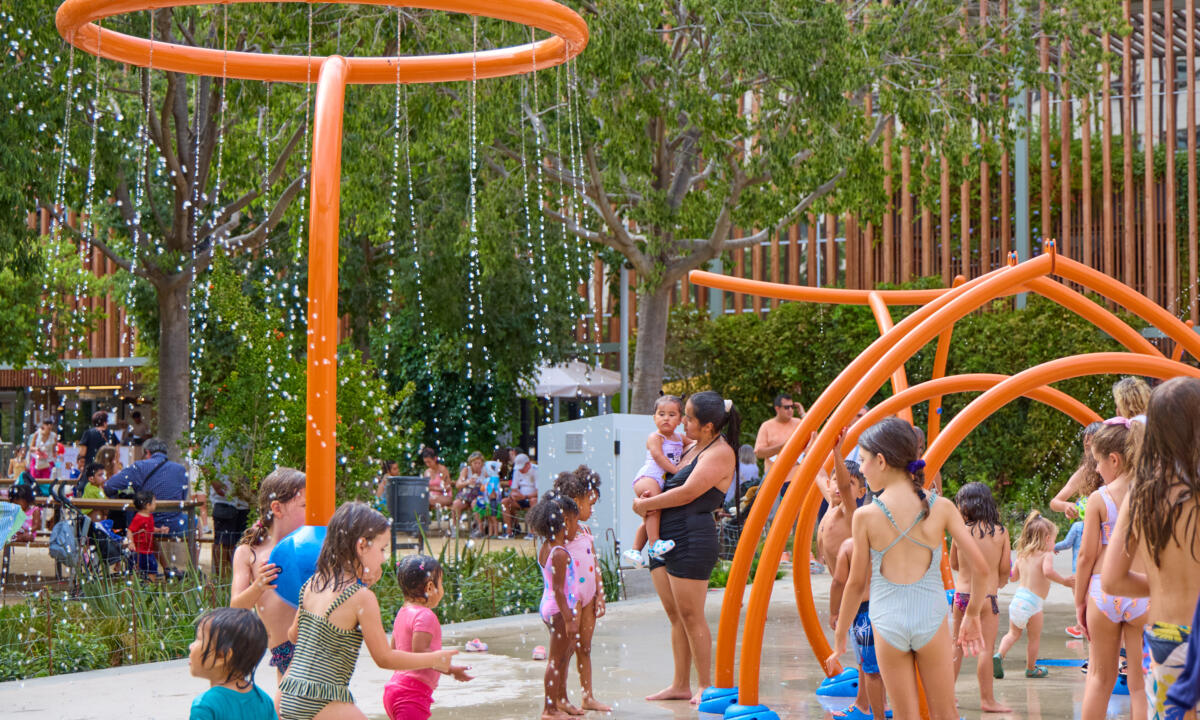
We all know that play is crucial for healthy childhood development. But not all play is created equal. When communities design new aquatic spaces, they need to consider more than just thrill levels and safety concerns.
A winning aquatic play space is an ecosystem of sorts—one where every element, no matter how small, contributes to some facet of childhood development or family dynamics. Sharpening cognitive abilities, discovering the thrills of competition, understanding cause and effect—all these objectives must be accounted for in the design.
To fully understand how Splashpads engage with families, we must first look at the full spectrum of different water play experiences:
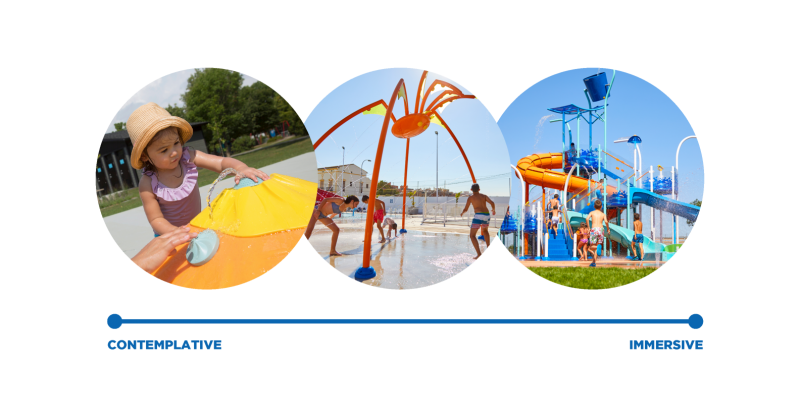
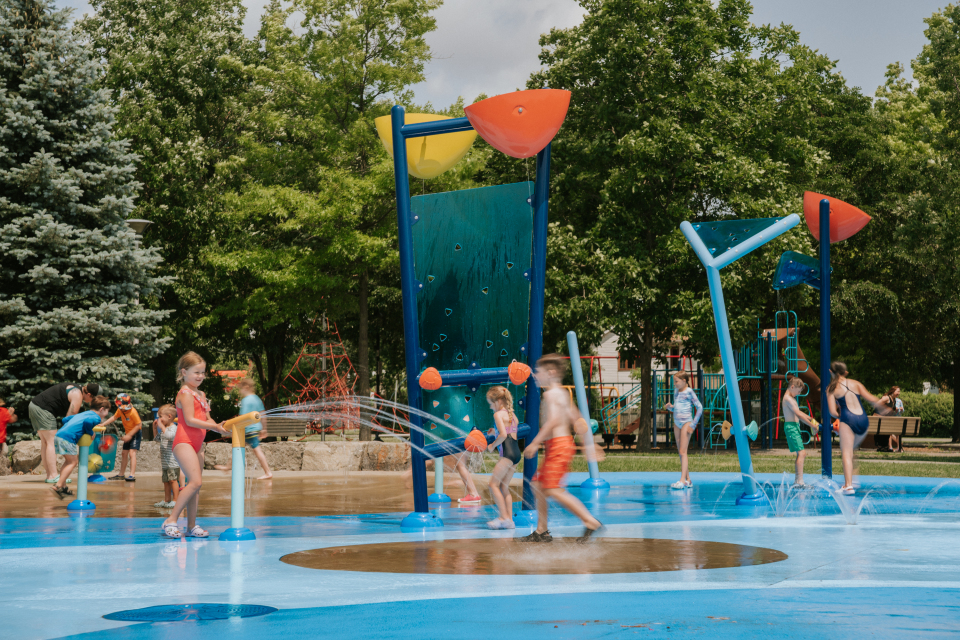
- On the softer end of the spectrum, we have refreshing sensations, visually stimulating designs, and tactile experiences.
- As toddlers start growing and get a little more curious, there are events that promote discovery, exploration, and imagination.
- The next step is water play designs that offer anticipation, the opportunity to team play and compete as well as more thrilling categories for older siblings.
Understanding Bay Areas
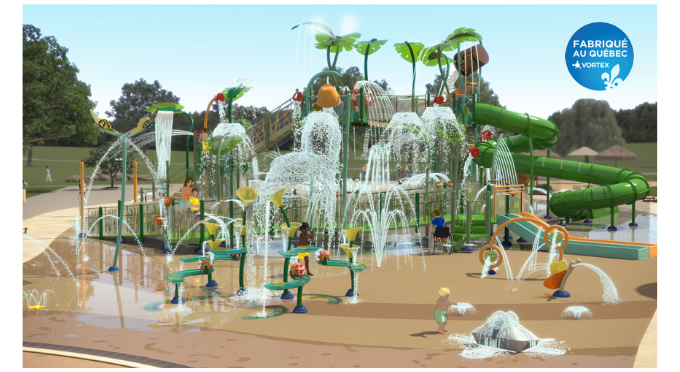
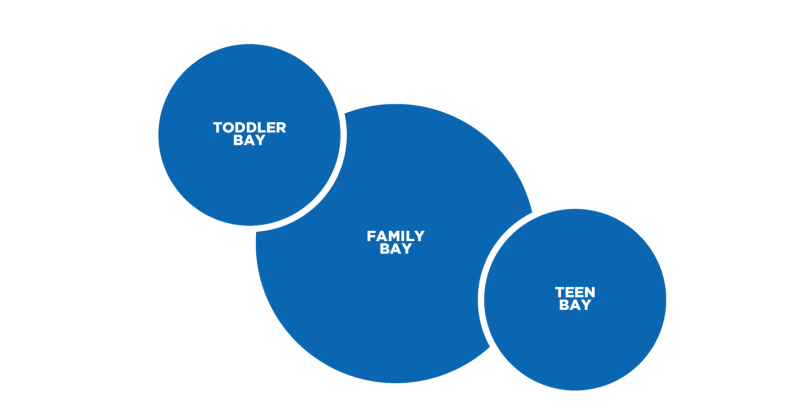
Once a Splashpad’s different water play experiences are decided upon, they can be organized into different bay areas. Some areas may reside on the softer end of the spectrum, while others may focus on more thrilling features.
By grouping products into bay areas, children can feel safe and transition from one intensity level to the next on their own terms. The organizational approach also makes it easier for parents to keep an eye on their little ones, giving moms and dads peace of mind. Here’s what the design might look like when everything comes together:
Engineering for Inclusivity
By designing different bay areas with varying intensity levels, Splashpads optimize not only play-value but also inclusivity. They promote a healthy exchange between children of all ages.
But inclusivity isn’t only about age-appropriateness. One major advantage of Splashpads is that because they’re zero-depth, they allow children of not only all ages but also all abilities to get in on the fun.
And beyond the zero-depth features, designs can also include several ground-level water play events to accommodate those with limited mobility. Also, it’s important to include a beach-entry slope for family members with wheelchairs.
Use Water Sequencing
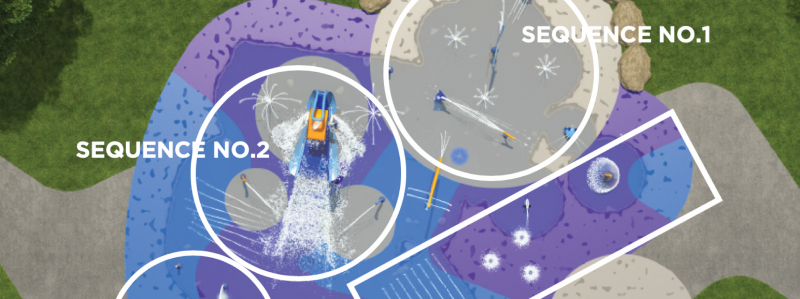
Rather than have all features run simultaneously, Splashpads are often programmed with sequencing between bay areas (in other words, when certain features in Bay Area 1 turn on, others in Bay Area 2 shut off). Doing so not only improves water efficiency; it also creates a healthier flow of human traffic.
Embrace On-Demand Activation
Children love on-demand activation. It teaches them cause and effect and makes them masters of their own little universe. At the same time, this simple design approach does wonders for Mother Nature!
A New Generation of Families
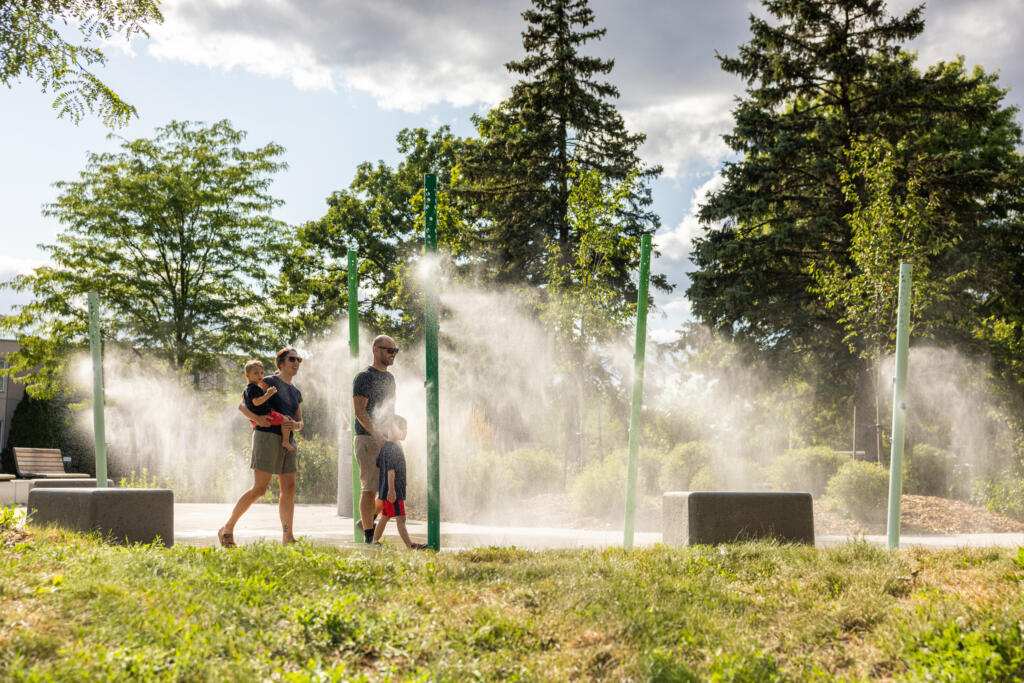
Finally surpassing Baby Boomers, Millennials are currently the most populous generation in the West. In 2018, 88% of US births were by millennial mothers. Projections suggest that 80% of millennials will eventually have children. And how do these young moms and dads value outdoor time? Considerably: children of millennial parents spend an average of 2.23 hours outdoors every day—nearly 30 mins longer than the children of Baby Boomers and Gen Xers.
All this to say, today’s families are more outdoorsy than ever before. It follows that expectations for aquatic facilities are exceptionally high. And rightfully so—communities play a major role in determining the quality of childhood development and family bonding.