The Future of Public Spaces in a Hotter Climate
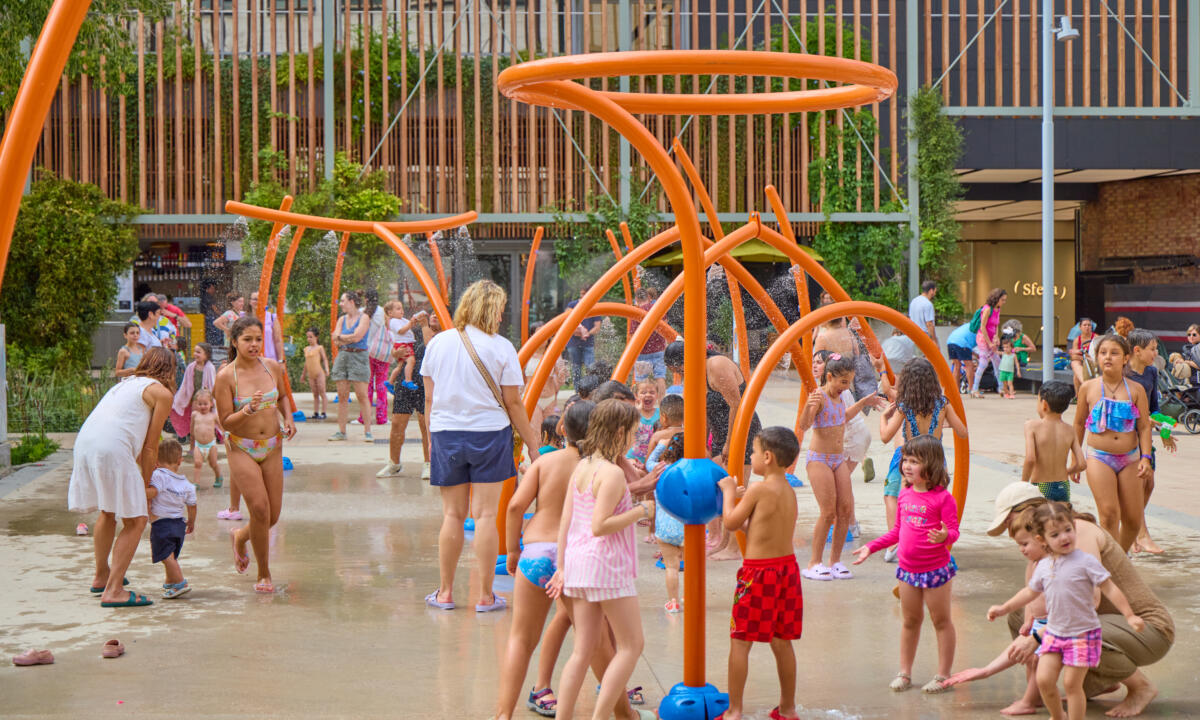
How communities are rethinking comfort, connection, and well-being in a changing world
Hotter summers are changing the way communities think about public spaces.
Parks are no longer designed solely for recreation. They are becoming essential places for cooling, connection, activity, and community well-being.
Communities across North America are facing a new reality: hotter summers, longer heat waves, and increasing pressure on public spaces.
As municipalities plan for the future, the conversation is shifting beyond recreation and toward quality of life. How can parks and public spaces remain comfortable, welcoming, and vibrant during periods of extreme heat?
Forward-thinking communities are exploring how thoughtful design can support social connection, encourage outdoor activity, and help residents continue enjoying public spaces throughout the summer months.
Aquatic environments are increasingly becoming part of that conversation—helping create destinations where people can gather, stay active, and find relief from the heat while strengthening community connections.
Public Spaces Are Becoming Essential Community Infrastructure
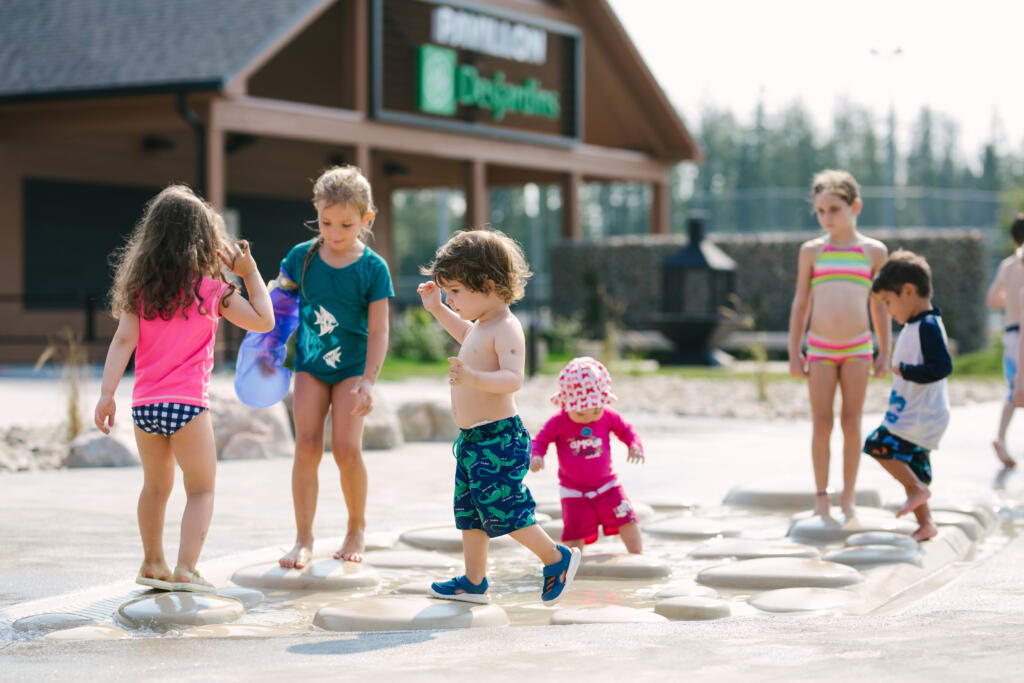
Public spaces can help strengthen community connections while encouraging outdoor activity across generations.
Great public spaces encourage connection, activity, and a sense of belonging across generations.
For many municipalities, parks are no longer viewed solely as recreational amenities.
They are increasingly recognized as essential community infrastructure—places that support physical activity, social connection, public health, and overall quality of life.
As communities adapt to more frequent heat events, public spaces are taking on an even greater role. Residents are looking for places where they can remain active, spend time outdoors, and stay connected to their community throughout the summer season.
Creating those opportunities requires a thoughtful approach to design. The most successful destinations are not simply attractive places to visit—they are places where residents choose to gather, stay active, and spend time together.
This shift reflects a broader evolution in how communities think about public-space investment. Parks are increasingly being designed as destinations that promote physical activity, support community well-being, and encourage long-term engagement.
Aquatic play environments are increasingly supporting that objective. By combining recreation, community gathering, and opportunities to cool down during warm weather, they help parks become multi-generational destinations that residents return to throughout the summer.
Designing for Comfort in a Hotter Climate
Extreme heat presents new challenges for cities and park planners.
How do communities encourage outdoor activity when temperatures rise? How do they create spaces that remain comfortable and welcoming throughout the summer?
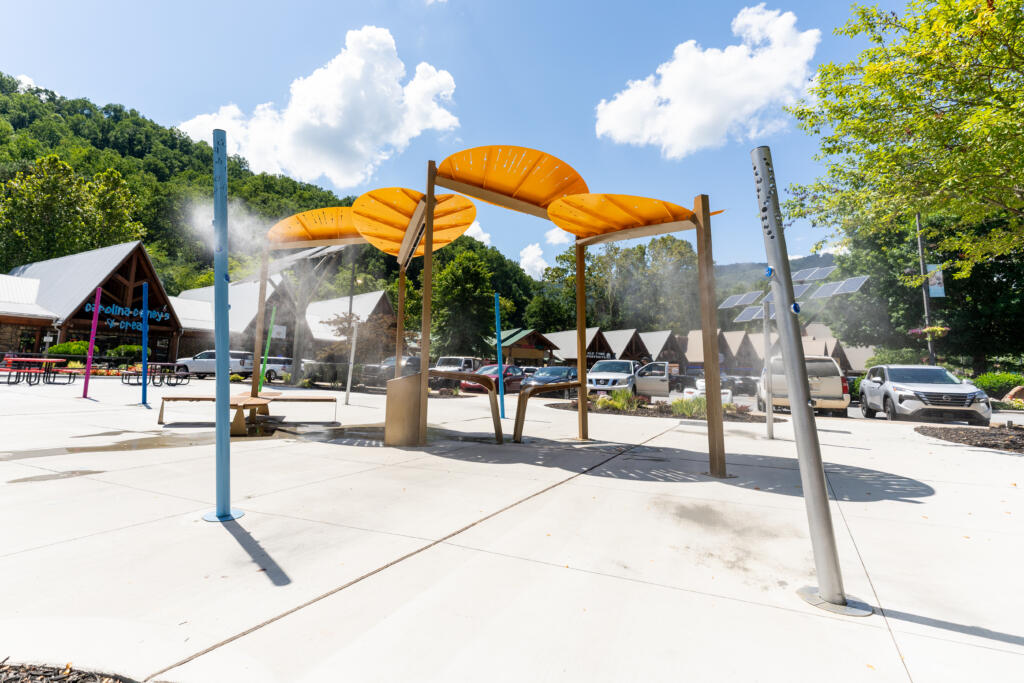
Community cooling solutions are increasingly becoming part of conversations around climate adaptation and public-space design.
Many municipalities are responding through investments in shade, gathering areas, natural landscapes, cooling infrastructure, and environments that help residents remain comfortable while enjoying public spaces.
Aquatic environments are increasingly becoming a cornerstone of that strategy.
Unlike traditional park amenities, they combine cooling, recreation, social interaction, and accessibility within a single destination. As temperatures rise, these spaces provide communities with opportunities to stay active outdoors while offering a refreshing way to enjoy public spaces during the warmest months of the year.
Comfort is becoming central to how communities create parks people actually use.
For many municipalities, the goal is no longer simply to provide amenities, but to create environments where people want to spend time.
When residents feel comfortable, they stay longer, interact more frequently, and make greater use of public amenities throughout the season.
This is where aquatic environments can provide significant value. By combining cooling, recreation, and social interaction, they create experiences that encourage people to remain active outdoors even during periods of high temperatures.
Learning from Communities Across North America
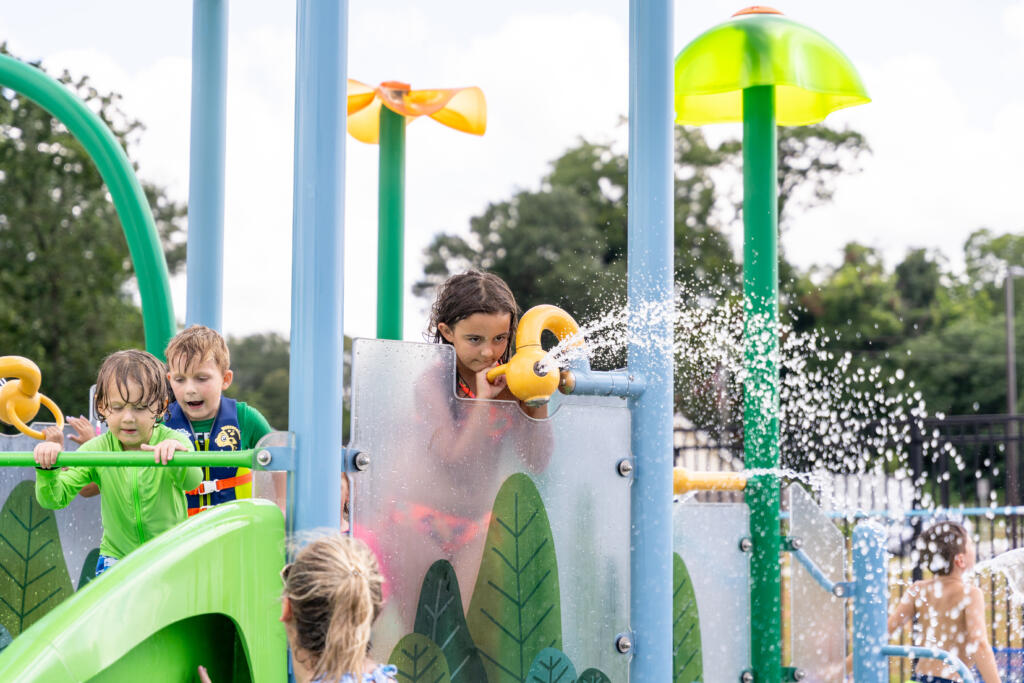
Aquatic environments can help transform public spaces into destinations that encourage activity, connection, and relief from the heat.
Across the United States, communities are rethinking how public spaces can help people stay active, connected, and comfortable as temperatures continue to rise.
In Carrollton, Georgia, Midtown Water Park transformed a 60-year-old pool into one of the region’s largest municipal aquatic destinations. Designed as a place where families can gather, play, and cool down during the hottest months of the year, the park demonstrates how aquatic design can breathe new life into aging public infrastructure.
In Colorado, Fort Lupton Community Park illustrates how aquatic recreation can enhance everyday public spaces by creating opportunities for outdoor activity, social connection, and community gathering.
Meanwhile, the Cherokee Cooling Area in North Carolina highlights the growing role of water-based cooling experiences in helping visitors stay comfortable and engaged outdoors during warm weather.
While each project serves a different community, they share a common goal: creating inviting outdoor destinations that encourage people to gather, stay longer, and enjoy the public realm despite rising temperatures.
Midtown Water Park
Carrollton, Georgia
Aging public infrastructure was transformed into a large municipal aquatic destination where families can gather, play, and cool down.
Fort Lupton Community Park
Colorado
This community destination demonstrates how aquatic recreation can encourage outdoor activity, social connection, and longer visits to public spaces.
Cherokee Cooling Area
North Carolina
Designed to help visitors stay comfortable during warm weather, this cooling destination highlights the role water can play in creating more welcoming outdoor environments.
From large municipal destinations to neighbourhood gathering places, the most impactful projects create opportunities for people to connect, play, and spend meaningful time together.
These environments demonstrate that thoughtful public-space design can contribute to stronger communities while helping residents embrace outdoor life throughout the summer months.
Successful public spaces often share a few key characteristics:
The most successful public spaces are not defined by their infrastructure—they are defined by the experiences they create for the people who use them.
When thoughtfully designed, parks become places where communities gather, families connect, and people of all ages can enjoy spending time outdoors together.
Looking Ahead
As communities continue adapting to longer, hotter summers, public spaces will play an increasingly important role in supporting health, connection, and quality of life.
Thoughtfully designed aquatic environments help create places where people want to gather, stay active, and enjoy spending time outdoors—bringing comfort, recreation, and community together in a way that responds to today’s evolving needs.
The investments communities make today will help shape how future generations experience parks, neighbourhoods, and public spaces for decades to come.
Creating comfortable, welcoming public spaces starts with thoughtful design.
For more than 30 years, Vortex has partnered with communities around the world to design aquatic environments that encourage activity, strengthen social connections, and create memorable outdoor experiences.
Explore how communities across North America are creating parks and public spaces designed for connection, comfort, and lasting community impact.
Ready to Create More Comfortable Public Spaces?
From aquatic play and cooling solutions to climate-responsive public space design, Vortex helps communities create destinations where people can gather, connect, and stay longer.