Designing Low-Maintenance Splashpads for Municipal Parks
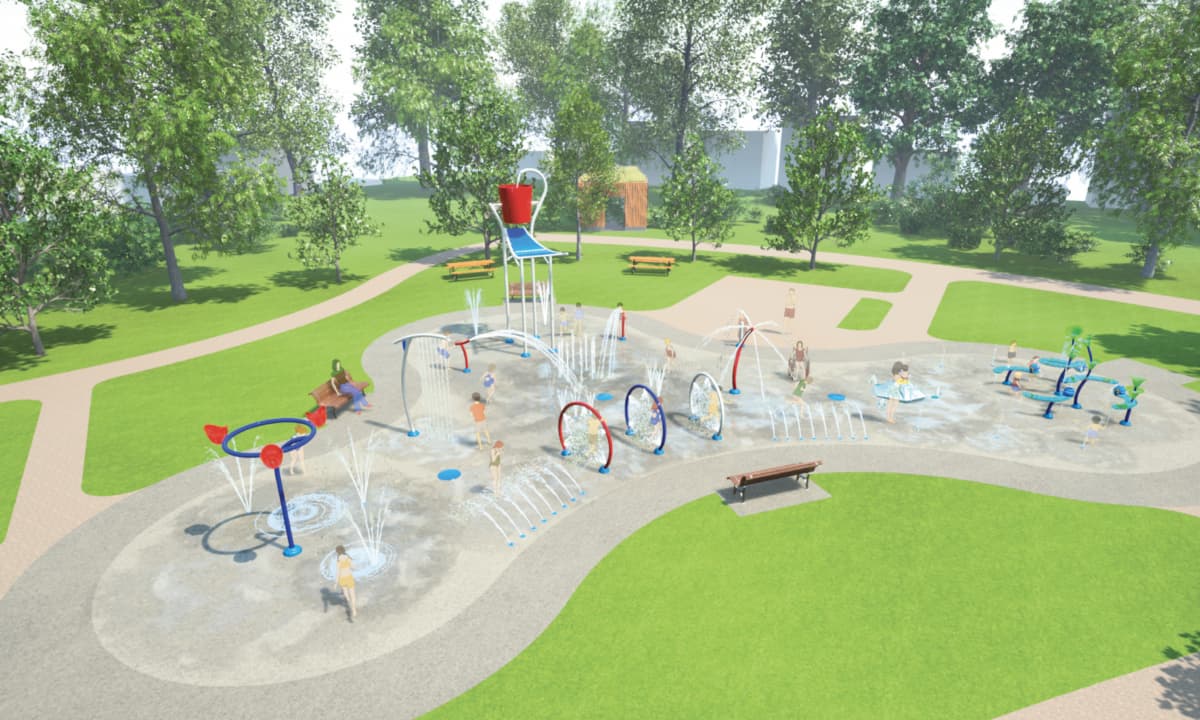
For municipalities, splash pads are more than just recreation, they’re long-term public assets. They bring obvious value in terms of community use and cooling relief, but they also come with ongoing operational responsibilities. That’s why low-maintenance design is now a key priority for cities planning new installations or upgrading existing ones.
A well-designed splash pad should be fun and inclusive, but it also needs to be efficient to run, straightforward to maintain, and built for the long haul. Hitting that balance is what defines successful municipal projects today.
Why Maintenance Matters from Day One
Maintenance shouldn’t be an afterthought, it needs to be part of the design from day one. Municipal teams are often responsible for multiple public spaces with limited staff and resources. When systems are overly complex, components are hard to access, or materials don’t hold up well, costs and downtime can add up quickly. Over time, that impacts not just budgets, but the overall user experience too.
By prioritizing low-maintenance choices early, cities can ease long-term operational pressure while keeping the splash pad safe, clean, and running well throughout its lifecycle.
Choosing Durable, Long-Lasting Materials
Material choice has a big impact on how much maintenance a splash pad will need. These spaces deal with constant water exposure, sun, temperature swings, and heavy daily use, so durability really matters.
Stainless steel components, high-quality finishes, and UV-resistant coatings help prevent corrosion, fading, and general wear. They also tend to hold their appearance longer, which reduces the need for frequent repairs or replacements.
It also helps to use durable, serviceable components that can be maintained or replaced efficiently when needed. When individual elements are designed with long-term maintenance in mind, maintenance is simpler, and the overall installation lasts longer.
Simplifying Water Management Systems
Water management is one of the most important parts of splash pad design. When it isn’t planned well, systems can end up using too much water, creating complicated maintenance routines, and driving up operating costs.
That’s why modern splash pads use recirculating systems that filter, treat, and reuse water. This approach helps reduce overall consumption while still keeping water quality and safety consistent.
Automation matters here, too. Smart controls can. help operators manage system performance more efficiently and support more streamlined day-to-day operations.That can reduce c manual work and helps operators run the system more efficiently.
Designing for Easy Access and Maintenance
Even with the best materials and systems in place, maintenance will always be part of the equation. The real difference is how easy it is to handle.
Designing with access in mind can cut maintenance time significantly. That includes:
- Accessible mechanical rooms
- Clearly organized piping systems
- Easy-to-remove components
When technicians can spot and resolve issues quickly, downtime stays low and operational efficiency improves.
That matters even more in busy municipal parks, where splash pads are expected to run reliably, especially during peak season.
Reducing Wear Through Smart Layout Design
The layout of a splash pad can also shape how much maintenance it needs. High-traffic areas take the most wear, especially around the features everyone gravitates toward.
By spreading attractions out and creating a few clear zones of activity, designers can take pressure off any one spot. It helps with flow and overall comfort, and it can also extend the life of individual features.
In playable urban squares, where splash pads share space with other uses—layout matters even more. A thoughtful plan helps prevent bottlenecks, overcrowding, and the extra wear that comes with them.
Minimizing Operational Complexity
Municipalities often run into the same issue: the system is just too complicated. Extra bells and whistles can boost play value, but if they make the splash pad harder to run, they quickly become a headache.
Low-maintenance splash pads lean toward “simple and solid.” That doesn’t mean it’s boring. It means picking features and equipment that staff can understand quickly, operate easily, and service without a long learning curve.
When the layout is clear, the controls are straightforward, and the components are dependable, day-to-day operations get a lot smoother. And for municipal teams, that’s what keeps the facility manageable year after year.
Planning for Seasonal Operation
In many regions, splash pads run seasonally, which adds a few extra maintenance demands. Opening and closing procedures, winterization, and inspections all take time and resources.
Design choices can make those transitions easier. Systems that are simple to drain, protect, and restart reduce the workload that comes with seasonal changeovers.
When these cycles are planned for upfront, splash pads can be brought back online quickly and safely at the start of the season, while also lowering the risk of damage during the off months.
Supporting Long-Term Municipal Goals
Low-maintenance design does more than reduce workload. It helps cities hit bigger goals at the same time. Efficient systems lower operating costs, cut down on water and energy use, and lead to stronger sustainability results.
Reliable, well-maintained splash pads also change how people experience a space. When everything runs smoothly and still looks clean and inviting, people come back. That consistency builds trust in public infrastructure.
For cities working on urban revitalization, reliability carries real weight. Splash pads often draw people into public areas, so when they perform well, they help those projects succeed.
When integrated into parks and public gathering spaces, splashpads can also contribute to urban cooling efforts by helping improve outdoor comfort during warmer months.
Building with the Right Partner
Designing a low-maintenance splash pad takes more than picking the right parts. It works best when designers, engineers, and the people who will actually operate the site are involved early, and stay involved.
With the right partners, maintenance realities get built into the project from the start, not tacked on at the end. Practical details like access, seasonal shutdowns, and day-to-day operation can be planned upfront.
Vortex builds splash pads that strike a balance between play value and operational efficiency. The focus is simple: durable materials, straightforward systems, and smart design choices that hold up over time.
Designing for Longevity and Simplicity
Low-maintenance splash pads aren’t about doing less, they’re about making smart choices early. With durable materials, efficient systems, and practical layouts, you end up with a water play space that’s enjoyable for the public and realistic for staff to run.
Over time, that translates to fewer shutdowns, fewer unexpected fixes, and lower day-to-day demands, while the splash pad continues to deliver value year after year. For cities investing in long-term public infrastructure, that balance makes a real difference.
Ultimately, successful splashpad projects balance exceptional play experiences with operational simplicity. By designing for durability, efficiency, and ease of maintenance from the start, municipalities can create water play destinations that remain reliable, cost-effective, and valuable to their communities for years to come.