Inclusive Design in Water Play
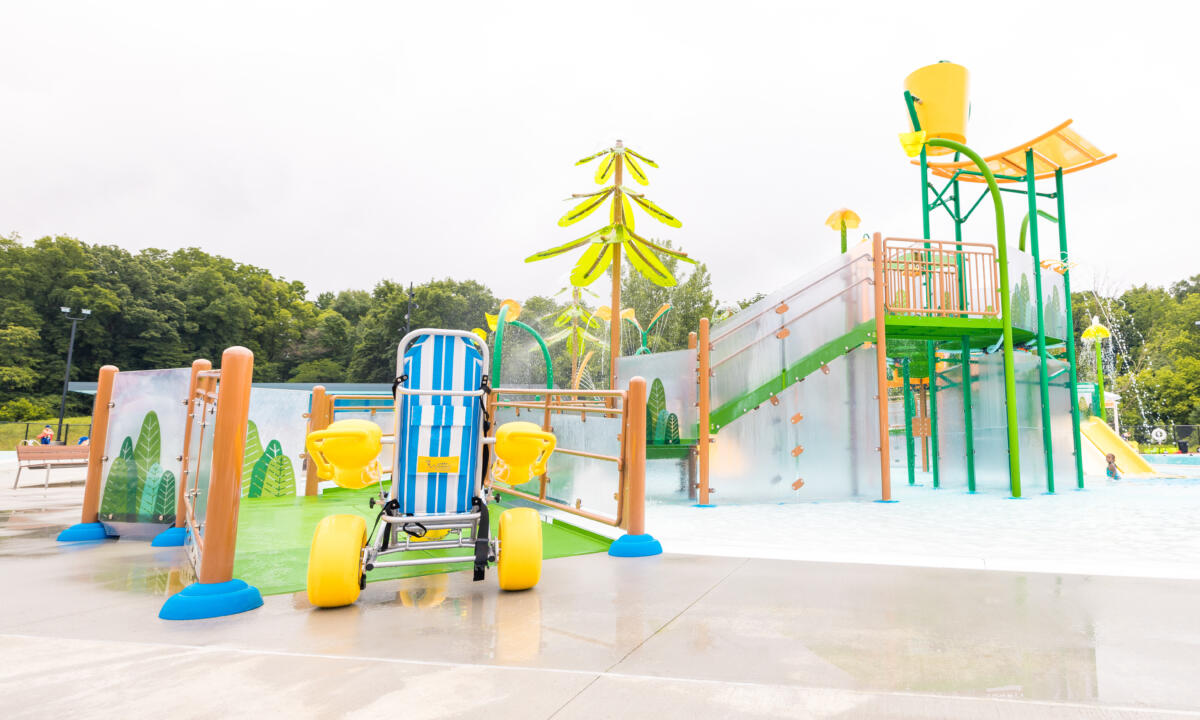
Inclusive design in water play goes far beyond simply complying with accessibility standards. It’s about creating spaces where every child, regardless of physical, cognitive, or sensory abilities, can enjoy enriching play experiences.
Understanding the Differences Between Accessibility, Universality, and Inclusion
Legal Foundations of Accessibility
Since the revision of the Americans with Disabilities Act (ADA) in 2010, playgrounds in the United States must meet strict standards. These include barrier-free pathways with ramps, a range of accessible play options for different mobility needs, appropriate surfacing beneath all accessible equipment, and smooth circulation that enables user independence.
Seven Core Principles of Universal Design
Universal design extends beyond accessibility by applying widely recognized guiding principles, including
- Equitable use – usable by all, regardless of ability
- Flexibility in use – accommodating diverse preferences and abilities
- Simple and intuitive use – easy to understand
- Perceptible information – effectively communicates with the user
- Tolerance for error – minimizes hazards from accidental actions
- Low physical effort – efficient use with minimal fatigue
- Appropriate size and space – allows approach and use by all
The Power of Water
Water holds a natural appeal that transcends age, ability, and culture. This universality makes it the perfect medium for creating inclusive experiences.
Water play naturally provides:
- Tactile stimulation through varying pressures and temperatures
- Auditory feedback from splashing and flowing sounds
- Visual stimulation via water movement and light play
- Proprioceptive input through the body’s interaction with water resistance
Creating a Spectrum of Play Experiences
An effective inclusive Splashpad® offers a variety of experiences:
- Contemplative Zone: calm, predictable water features; areas for observation and sensory discovery; tactile elements at accessible heights.
- Exploratory Zone: interactive water features encouraging discovery; manipulable elements at different heights; combinations of water and other textures.
- Immersive Zone: dynamic, unpredictable play; elements promoting group play; adaptable physical challenges.
These zones are not meant to segregate users, but to offer choice, autonomy, and comfort based on individual needs and preferences.
Best Practices in Designing a Water Play Area
Success begins with community consultation, including families of children with diverse needs. Usability testing with varied users, ongoing feedback after installation, and gradual adaptations based on real-world use are essential.
A successful inclusive design integrates accessibility without stigma, creates beauty for all, encourages spontaneous play, and simplifies parental supervision.
Inclusive design is not a fixed outcome, but an ongoing process that evolves with community use and feedback.
Toward More Inclusive Communities
Inclusive water play design presents a unique opportunity to create truly democratic public spaces. By applying universal design principles and understanding the diverse needs of users, we can transform our parks into catalysts for social inclusion.