How to Plan a Water Play Area in a Municipal Park: A Step-by-Step Guide
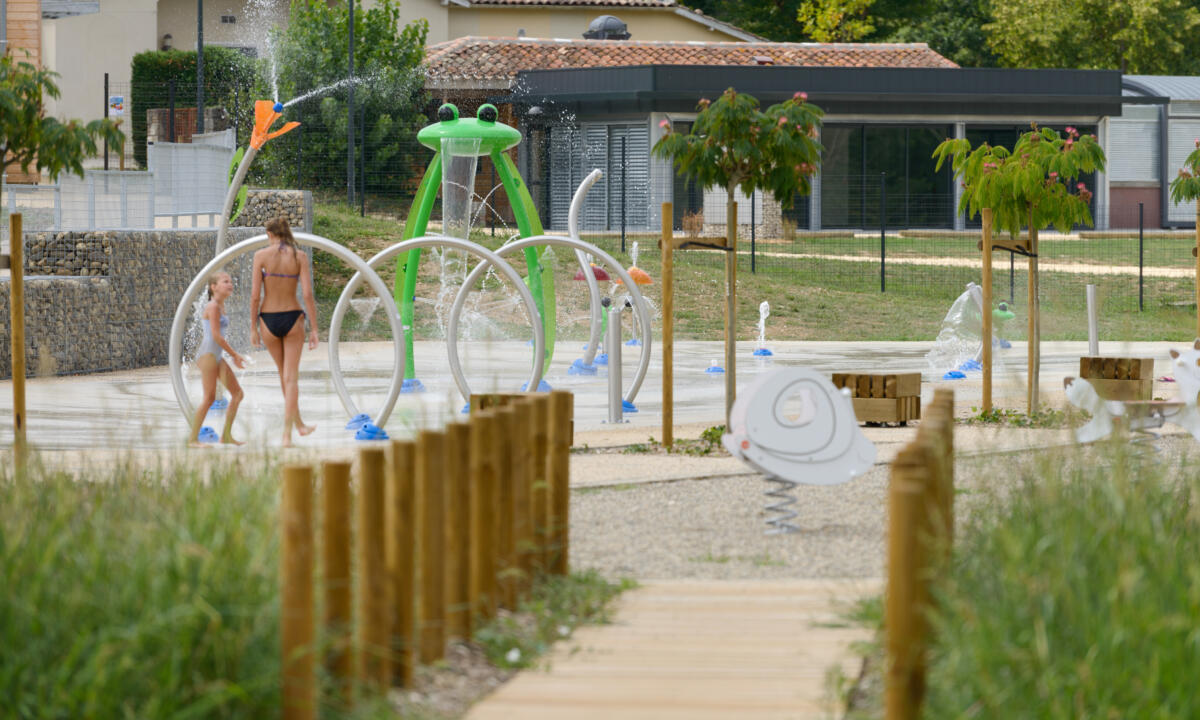
As municipalities look for ways to develop attractive and sustainable recreational infrastructure, water play areas are becoming an increasingly popular solution. Installations such as splash pads and aquatic play parks provide residents with an accessible place to cool off during the summer season while also representing a cost-effective investment for municipalities compared to traditional swimming pools.
For municipal managers considering this type of project, here is a comprehensive guide prepared by the teams at Vortex Aquatic Structures International to help you navigate the different phases of implementation.
A Vision That Serves the Community
Every water play area project begins with a clear understanding of your community’s needs. The success of this type of installation depends on its ability to meet the specific expectations of local residents. To achieve this, it is essential to engage in meaningful dialogue with the community through public consultations or targeted surveys. These conversations help define the fundamental characteristics of the project, including the target age groups, required accessibility level, potential theme, and desired features.
Site selection is a major strategic decision. An ideal location should be easily accessible, highly visible, and situated near other community facilities and transportation options. Site analysis must also consider technical factors such as the availability of utilities (water, electricity, and sewer), sun exposure, opportunities for natural or artificial shade, and overall safety. Locations already frequented by families, such as existing parks or community centers, are generally excellent choices.
The preliminary phase also includes developing a realistic budget for creating a water play area. This budget should account not only for equipment purchase and installation costs, but also for supporting infrastructure, landscaping, and, most importantly, long-term operations and maintenance.
From Design to Implementation
Once the vision is established and the budget approved, the detailed design phase can begin. This critical step determines the technical feasibility of your project and its ability to meet community expectations. It is strongly recommended to work with industry experts, such as Vortex International, to guide you through this process. With more than 30 years of expertise, their team can help optimize the layout, select the most appropriate equipment, and integrate best practices in sustainability and accessibility.
Technical assessments are an essential prerequisite and are typically carried out by professionals such as landscape architects or engineers. Soil analysis, evaluation of water availability and pressure, and verification of electrical capacity will help identify potential constraints and allow your project to be adjusted accordingly.
Choosing the water management system is a particularly important decision. Three main options are available: a single-pass (flowthrough) water system, which is simple but consumes more water; a recirculation system, which is more water-efficient but requires a higher initial investment and rigorous maintenance; or a hybrid system that combines the advantages of both approaches. Your choice will depend on your sustainability priorities, available water resources, and your capacity to manage ongoing maintenance operations.
The design must also incorporate universal accessibility considerations. A truly inclusive water play area provides a variety of sensory experiences suited to all ability levels, includes wheelchair-accessible surfaces, and features play elements positioned at different heights. These characteristics do not benefit only individuals with reduced mobility; they enhance the experience for all users, from young children to older adults.
Navigating the Municipal Procurement Process
The procurement process is often a challenge for municipal managers. Preparing complete and precise bid documents is essential to attract relevant proposals and support informed decision-making. These documents should include not only technical specifications but also clear evaluation criteria that value expertise, quality, and after-sales service, beyond simply the proposed price.
Different procurement methods may be available depending on municipal regulations and the nature of the project. A public tender promotes transparency and competition and is ideal for large-scale initiatives. An invited tender allows you to target companies with recognized expertise, helping accelerate the process for smaller or more specialized projects. Other approaches, such as a request for proposals, may be preferred when seeking innovative solutions to specific challenges. Finally, government organizations may also explore co-operative purchasing programs, which save both time and money.
Supplier selection should be based on a comprehensive evaluation of the proposal. In addition to cost, consider the company’s experience with similar projects, its reputation, financial stability, and the quality of technical support provided during and after installation. References from other municipalities can be especially valuable at this stage.
From Construction to Grand Opening
The construction and installation phase requires careful supervision to ensure compliance with plans and applicable standards. An experienced project manager should coordinate the various trades involved, from civil engineering and plumbing to electrical work and landscaping. Regular site meetings help monitor progress and resolve any issues quickly.
Testing and commissioning are critical steps before opening to the public. For recirculation systems, water quality testing must confirm compliance with current health standards. Operational testing verifies the proper sequencing of water features, the accuracy of control systems, and the effectiveness of safety devices. A complete inspection by an expert provides additional assurance of compliance and is carried out by Vortex International’s network of certified installers.
Training operating staff is often overlooked, yet it is essential to the long-term sustainability of your investment. Your team must understand daily opening and closing procedures, preventative maintenance tasks, and incident management protocols. Ideally, this training should be provided by the equipment supplier and supported with detailed manuals and periodic refresher sessions. With more than 12,000 installations across 50 countries, the teams at Vortex International are uniquely positioned to support you.
The grand opening of your water play area is a valuable opportunity to highlight this investment within your community. A festive event, covered by local media, allows you to introduce the installation to residents, explain how it works and how it should be used, and publicly thank all partners involved in bringing the project to life. It is also a moment to emphasize your municipality’s commitment to family quality of life and sustainable development.
Sustaining Your Investment
The long-term management of your water play area will determine its durability and the ongoing satisfaction of users. A rigorous maintenance program, based on Vortex International’s recommendations, will help prevent premature equipment wear and costly breakdowns. For recirculation systems, daily monitoring of water quality is essential to ensure user safety and compliance with health regulations.
Seasonal operations must also be carefully planned. Spring start-up includes thorough cleaning, inspection of all components, and repair of any winter damage. Conversely, fall shutdown involves fully draining the system, protecting sensitive equipment from freezing, and securing the site during the off-season. When performed correctly, these steps significantly extend the lifespan of your installation.
From an asset management perspective, your water play area should be integrated into your municipality’s broader infrastructure management plan. Anticipate the gradual replacement of components based on their expected lifespan and budget accordingly. It is also important to listen to user feedback to identify opportunities for improvement and maintain the installation’s appeal for years to come.
A Strategic Investment for Your Community
Creating a water play area represents a strategic investment for any municipality committed to providing high-quality recreational services to its residents. Beyond its immediate appeal, this type of installation enhances the attractiveness of your community, supports public health, and strengthens social connections. It can also align with your broader sustainability strategy, particularly through the adoption of water- and energy-efficient technologies.
The success of a water play area project depends on careful planning, collaboration with recognized industry experts such as Vortex International, and ongoing community engagement. By following this structured approach, your municipality can create a safe, sustainable, and well-loved recreational space that meets the current needs of residents while adapting to future expectations.