How to Design a Low-Impact Splashpad® Without Compromising Fun
Designing a Splashpad® that’s both environmentally conscious and captivating for users is no longer a contradiction, it’s the new standard. In today’s world, water conservation, energy efficiency, and sustainable materials are just as important as bright colors and exciting features. Thankfully, the technology and design philosophies behind modern Splashpads make it possible to create play environments that delight without draining natural resources.
If you’re a municipality, resort operator, or landscape architect looking to reduce your environmental footprint while still offering engaging aquatic play, the right design choices from the start can make all the difference.
Rethinking Play Value Beyond Water Volume
A common misconception is that bigger water flows equal bigger fun. While water volume can certainly enhance sensory stimulation, it’s not the only way to create joy and interaction. Today’s Splashpads leverage smart sequencing, timing, and user-activated features to offer rich, varied experiences without a constant rush of high-flow water.
Designers can prioritize features that create visual and tactile interest through motion, pattern, and surprise, like timed ground sprays, spinning elements, and arching mists. These can be just as exciting as high-volume jets but use a fraction of the water.
By controlling how, when, and how much water is released, low-flow systems encourage more interactive, energy-efficient play. With user-controlled activation points and dynamic sequencing, kids are naturally drawn into a world of cause and effect, which adds cognitive engagement and reduces unnecessary water waste.
Recirculation and Treatment: Lower Use, Higher Responsibility
A low-impact design doesn’t mean cutting corners on hygiene. On the contrary, Splashpads that use recirculation systems must meet strict public health standards, especially when the same water is reused throughout the day.
Modern recirculating systems are designed to minimize environmental impact while maximizing safety and performance. By continuously filtering, disinfecting, and recirculating water through closed-loop systems, these Splashpads reduce overall consumption compared to drain-away designs. Smart controllers regulate flow duration and frequency, while UV and chlorine treatments ensure water quality remains high without overusing chemicals.
Site operators can fine-tune daily run times based on real usage data, further optimizing water and energy savings.
Choose Features That Work Harder, Not Louder
Low-impact Splashpads are most successful when every feature pulls double duty, engaging users while conserving resources. Ground sprays that offer multiple spray patterns, sculptures that rotate or create misting shadows, and modular components that interact with each other all create an evolving play environment without needing excessive water input.
Designers can select play features that are built to withstand frequent use, outdoor exposure, and weather extremes over time. These components maintain color, shape, and tactile appeal while minimizing the need for replacements and reducing long-term maintenance costs.
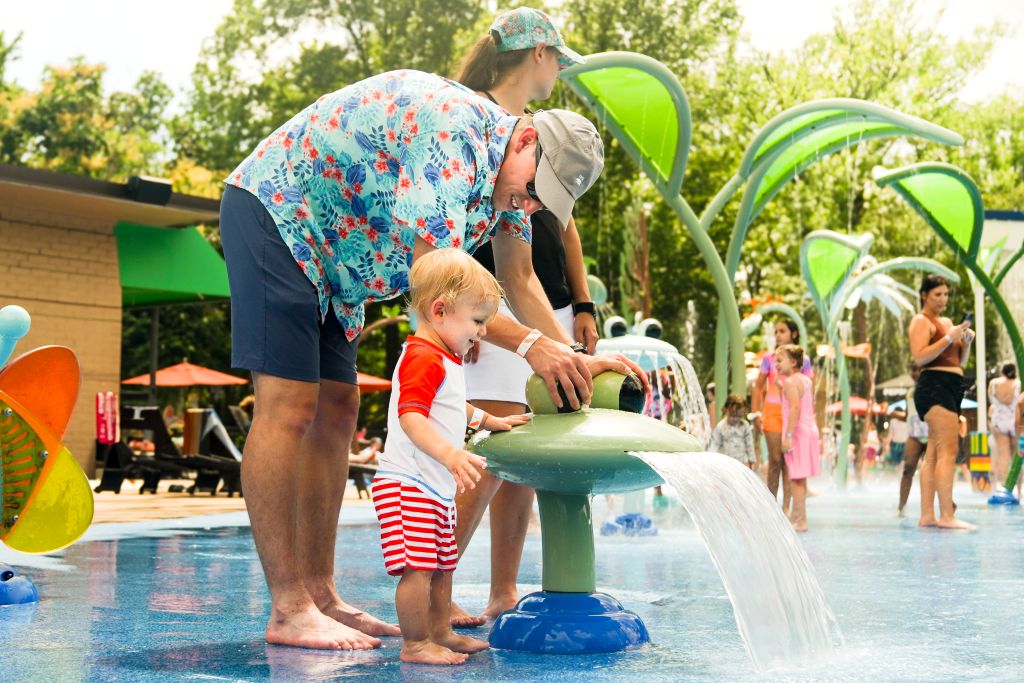
Meanwhile, structures like Vortex’s Alto and Pico product lines are intentionally designed for lower-flow outputs, yet deliver high engagement through their tactile nature, gentle spray arcs, and user-triggered interactions. They allow toddlers and younger children to explore water safely and independently, perfect for inclusive, multi-age designs.
Designing for Inclusion and Accessibility
Fun should be for everyone. Designing with accessibility in mind not only meets universal design standards but also avoids the ecological costs of overbuilding. Instead of duplicating large features for different age groups or abilities, low-impact Splashpads rely on smart zoning and layered interaction.
Ground-level sprays allow wheelchair users and children with mobility devices to engage directly with the water, while gently activated features offer safe, independent play for toddlers and older kids alike. By focusing on shared, open-ended experiences, these spaces naturally encourage inclusive interaction without unnecessary complexity or duplicate infrastructure.
The result is an inclusive play environment where every user can explore, discover, and engage in ways that suit them, all while limiting infrastructure and resource use.
Harnessing Technology for Smart Water Management
Digital controls and real-time monitoring are major game changers in sustainable Splashpad design. Smart activation systems, cloud-based controllers, and sensors allow facility managers to adjust flow patterns, durations, and water sequencing remotely.
This flexibility means Splashpads can be programmed to reduce activity during low-traffic hours, adjust spray timing based on temperatures, or even turn off certain features on windy days to avoid water loss from misting.
Leak detection, water usage tracking, and remote maintenance alerts all reduce response times and limit costly downtime or waste. What was once a static system is now a responsive, dynamic platform that aligns with modern sustainability goals.
Leveraging Natural Elements in the Design
A truly low-impact Splashpad doesn’t rely solely on high-tech features. The site itself plays a huge role in reducing environmental impact. Choosing a location with natural shading, like existing trees, or building pergolas and canopies helps keep surfaces cool and reduces evaporation rates. It also creates a more comfortable experience for users without needing additional infrastructure.
Designing a Splashpad that blends into the natural landscape, using soft, earthy tones, locally inspired shapes, or textured materials, reduces the visual footprint while celebrating regional identity. When play spaces reflect their environment, they encourage appreciation of nature, teaching kids and families the value of sustainable choices.
Construction and Maintenance Matter, Too
The way a Splashpad(R) is built and maintained affects its long-term sustainability. Contractors who work with manufacturers experienced in low-impact systems can optimize underground plumbing layouts to minimize material waste and reduce disruption to green spaces.
Maintenance teams should be trained on seasonal shutdown procedures, equipment flushing, and filter changes to maintain efficiency year-round. By investing in high-efficiency pumps and water-saving nozzles, and maintaining them properly, operators can extend the lifespan of the system while preserving performance.
Education as Part of the Play Experience
Finally, designing a Splashpad(R) with sustainability in mind also offers the chance to educate. Incorporating signage, interactive panels, or storytelling features that highlight water conservation, local ecosystems, or renewable energy helps children learn through play.
Some installations include rainwater harvesting visuals or explain how the recirculation system works. This not only elevates the experience but aligns with community goals around environmental awareness and stewardship.
Conclusion
Creating a low-impact Splashpad doesn’t require sacrificing fun or visual appeal. With modern water management technology, inclusive design, and intentional feature selection, you can build an aquatic play environment that’s dynamic, responsible, and enduring.
From recirculation systems and smart controls to natural integration and educational elements, every design choice contributes to a space that’s better for kids, and better for the planet. In the end, it’s not about using less, it’s about using smarter.