Municipal Procurement Made Simple: Using Cooperative Contracts to Fund and Fast-Track Park Upgrades
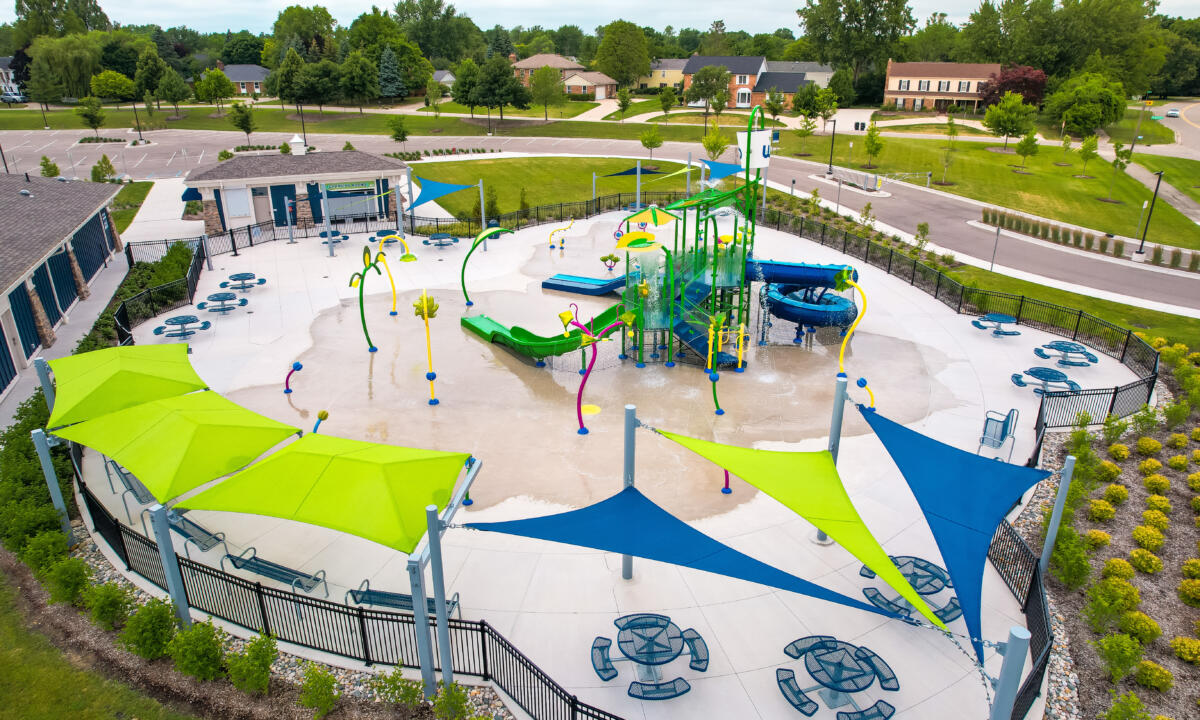
Park upgrades are rarely just about selecting new equipment. Municipal teams must balance public expectations, capital budgets, procurement rules, construction timelines, and the practical realities of maintaining the finished space. Whether the project involves a Splashpad®, a cooling solution such as CoolHub™, a playable fountain, or a larger park revitalization initiative, the path from an approved idea to an open park can be complex.
Cooperative purchasing can help simplify one important part of that process: procurement. Eligible agencies may be able to use cooperative purchasing contracts that have already been competitively solicited and awarded, helping simplify certain procurement activities when permitted by local regulations
It does not replace municipal budgeting, grant applications, or local approvals. It also does not remove the need to follow public purchasing rules. But, when local regulations allow it, a cooperative contract can help cities access competitively awarded agreements instead of issuing a new RFP for every eligible purchase.
For parks departments working with limited staff and fixed seasonal deadlines, that can make a meaningful difference.
Start With the Real Project Need
The best park upgrades begin with a clear understanding of what the community needs. ABefore procurement begins, municipal teams should identify the project’s purpose, anticipated users, site limitations, budget range, and desired opening date. This early work helps determine whether the project is a good fit for a cooperative contract or whether a traditional RFP is more appropriate.
A cooperative contract is most useful when a municipality has a defined need and wants to access a solution that falls within the scope of an existing competitively awarded agreement.
What Cooperative Purchasing Actually Does
Cooperative purchasing allows eligible public entities to use contracts that have been competitively solicited and awarded by a lead public agency or purchasing cooperative. The cooperative conducts the solicitation process, evaluates proposals, and awards contracts that participating organizations may be able to use.
This can reduce the need for every individual city or parks department to repeat the same procurement process for similar products and services. However, the municipality still needs to confirm that cooperative purchasing is permitted under its own procurement policies and local laws.
The agency may also need internal approvals, council authorization, a documented best-value determination, or a review of contract terms. If federal or grant funding is involved, additional compliance requirements may apply.
The benefit is not that a city avoids oversight. The benefit is that it can potentially avoid duplicating a competitive process that has already been completed.
Cooperative Contracts Do Not Fund the Project
The phrase “fund and fast-track” can be misleading if it suggests that cooperative purchasing provides money for a park upgrade. Cooperative contracts do not replace the need for capital funding.
Municipalities may still rely on capital improvement budgets, grants, reserve funds, fundraising, developer contributions, tourism funding, or other local sources to pay for the project. What cooperative purchasing can offer is more predictability once funding is available.
By working through an established contract, a parks team may be able to obtain contract pricing and define the scope earlier in the planning process. This can help staff prepare more accurate budget requests, improve grant applications, and communicate realistic project costs to decision-makers.
Moving Projects Forward With NPPGov
NPPGov is a cooperative procurement organization that offers publicly solicited contracts to government entities and eligible nonprofit organizations. Its agreements are created through a lead public agency’s competitive RFP process and may be used by qualifying entities, depending on state and local purchasing requirements.
For municipal park teams, NPPGov can offer a practical option when the project scope aligns with an available contract. Instead of initiating a new RFP, eligible agencies can review the relevant agreement, confirm local compliance, and work through their internal approval process.
This can be helpful when a project is tied to a seasonal opening date. Park construction often needs to happen within a narrow weather window, and delays in procurement can affect the entire schedule. A cooperative contract may give the team more time to coordinate permitting, utilities, landscaping, accessibility, and community communication.
BuyBoard and Public Purchasing Efficiency
BuyBoard is a cooperative purchasing program used by municipalities, school districts, and other eligible public agencies. Its contracts are awarded through a competitive procurement process, providing members with an established contract route when their local rules permit use of the cooperative.
For a city considering a park upgrade, BuyBoard may help reduce administrative workload at the purchasing stage. The municipality still needs to evaluate the contract’s relevance, ensure the purchase is within scope, and follow its own internal controls. But it may not need to build a full solicitation package from the ground up.
This can be particularly valuable for smaller municipalities where the same staff members may be responsible for parks, facilities, community programming, and procurement coordination. Reducing duplicated administrative work can free up time for the planning decisions that will shape the experience for residents.
Sourcewell and Comprehensive Park Improvements
Sourcewell is a public agency offering competitively solicited cooperative contracts for eligible government, education, and nonprofit organizations. Its cooperative model can support projects that require more than one simple equipment purchase.
Sourcewell contracts are also highlighted within Vortex’sPurchasing Contracts & Cooperative Buying resource and may provide an established procurement pathway for aquatic play and municipal park improvement projects
A water play project often includes several connected elements: site planning, engineering, utilities, accessibility considerations, installation, water management, staff training, and ongoing support. A cooperative contract can help municipalities evaluate these components as part of one coordinated project rather than treating them as unrelated purchases.
That is especially useful when a city is investing in a larger park improvement. The project may need to respond to pedestrian flow, shade, seating, drainage, public safety, and the operational needs of maintenance teams. Procurement should support that full picture.
Supporting Procurement in Canada Through CANOE
For Canadian municipalities and public-sector organizations, CANOE provides access to cooperative purchasing opportunities supported through Sourcewell contracts. CANOE helps make competitively awarded contracts available within Canada and supports public agencies seeking efficient, compliant procurement pathways.
Municipalities can learn more about CANOE, Sourcewell, BuyBoard, and NPPGov through Vortex’sPurchasing Contracts & Cooperative Buying page
Build Procurement Into the Project Timeline
Procurement should not be the final step after all design decisions are made. It should be part of the initial project schedule.
When a city begins planning a water play project, its procurement team should be involved early. They can help determine whether cooperative purchasing is an available option, what documentation will be needed, and how the approval process fits with the broader schedule.
Reviewing available purchasing pathways early, including Sourcewell, BuyBoard, NPPGov, and CANOE where applicable, can help municipalities better align procurement activities with project schedules and funding timelines.
This early coordination can prevent a common problem: a project that is fully designed but delayed because the purchasing pathway was not considered soon enough.
Vortex’s project engineering expertise can help municipalities consider technical requirements alongside their overall project objectives. This includes looking at site conditions, infrastructure needs, and the factors that affect long-term performance.
Focus on Long-Term Value, Not Only Speed
A faster procurement process is valuable, but it should not lead to rushed decisions. The purpose of a cooperative contract is to create a more efficient route to a well-considered project.
Municipal teams should still evaluate whether the proposed solution fits their community, maintenance capacity, and long-term goals. A successful park upgrade must be durable, accessible, safe, and appropriate for the people who will use it every day.
The best projects are also easier for operations teams to manage after opening day. That includes planning for seasonal start-up, routine inspections, water quality, maintenance access, and future repairs. Reliabletechnical support can help protect the long-term value of the investment.
Making a Stronger Case for Park Upgrades
When city leaders understand both the community value and procurement pathway of a project, it becomes easier to build support. A clear project brief can explain what the park needs, how it will serve residents, what funding source is proposed, and why the selected procurement route is appropriate.
Cooperative purchasing can be part of that conversation. It shows that the municipality has explored an option designed to reduce duplicated administrative work while maintaining competitive procurement principles.
For park teams, that can mean more time spent building a project that reflects the community’s priorities and less time repeating processes that are already available through an established contract.
A Practical Option for Eligible Municipalities
Cooperative purchasing is not the right path for every park project. Local laws, funding sources, project complexity, and municipal policy will always shape the final decision.
But for eligible cities, it can be a practical tool for moving park upgrades forward with greater clarity and efficiency. It can help teams connect approved funding to a competitively awarded contract, align procurement with construction timelines, and focus on delivering a public space that will create value for years.
Municipalities exploring this option can learn more about available agreements through Vortex’s cooperative purchasing contracts.
Municipalities interested in cooperative purchasing can explore available agreements through Vortex’s Purchasing Contracts & Cooperative Buying page to determine whether Sourcewell, BuyBoard, NPPGov, CANOE, or another cooperative purchasing option may support their project objectives and local procurement requirements.